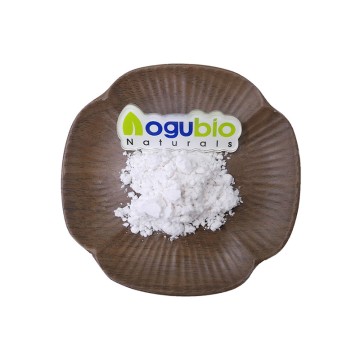
 Deoxyarbutin Powder (Deoxy Arbutin Powder)
An In-Depth Look at Deoxyarbutin for Hyperpigmentation & Dark-Spot Skincare
Deoxyarbutin has emerged as one of the leading active ingredients in the cosmetic and dermatology industries for addressing hyperpigmentation and dark spots. As a superior derivative of arbutin, it offers a potent skin-brightening effect by inhibiting tyrosinase activity, the key enzyme responsible for melanin formation. Beyond its effective topical action, deoxyarbutin is prized for its improved safety profile and stability, making it an ideal choice for modern, efficacious skincare formulations.
Understanding Hyperpigmentation and the Role of Deoxyarbutin
Hyperpigmentation manifests as darkened patches of skin caused by excessive melanin production. This condition often arises due to sun damage, hormonal changes, inflammation, or aging. Traditionally, ingredients like hydroquinone have been used to reduce dark spots, but concerns regarding safety and irritation have driven the search for safer alternatives. Deoxyarbutin offers such an alternative, providing effective skin-lightening without the cytotoxic effects commonly associated with hydroquinone. This safety advantage has led to its growing adoption in both over-the-counter and professional skincare products.
Commercial and Industrial Landscape of Deoxyarbutin
Over the last decade, the commercial demand for safe and effective skin-whitening agents has surged globally, driven particularly by markets in Asia, Europe, and North America. Deoxyarbutin manufacturers, including leaders such as Xi’an Aoge Biotech Co., Ltd., have scaled their production capabilities to meet this rising demand through advanced extraction and synthetic processes.
Industrial production emphasizes high-purity raw material synthesis combined with stringent quality control protocols, utilizing cutting-edge instruments like UPLC, HPLC, GC-MS, and ICP-MS. These analytical technologies ensure the stability and bioactivity of deoxyarbutin powders before they are incorporated into formulations. As consumer attention focuses more on “clean beauty” and ingredient transparency, companies aligning with organic and sustainable practices gain competitive advantages in this marketplace.
Emerging Trends and Research Directions
Current research trends prioritize enhancing the delivery mechanisms of deoxyarbutin to improve skin penetration and maximize efficacy. Nanotechnology-based encapsulation, such as liposomes and solid lipid nanoparticles, are being explored to stabilize deoxyarbutin molecules while providing controlled release. Additionally, combining deoxyarbutin with complementary actives — for example, vitamin C derivatives and niacinamide — creates synergistic formulations targeting multiple pathways involved in pigmentation.
Furthermore, the pursuit of multifunctional cosmetic products has propelled the integration of deoxyarbutin in anti-aging and antioxidant-rich formulas, broadening its application scope. Industrial innovators are also investigating sustainable sourcing and green synthesis routes to reduce environmental footprints without compromising product performance.
Deoxyarbutin in Practical Applications and Skincare Products
Today’s skincare market features a diverse range of products leveraging deoxyarbutin’s properties — from serums and ampoules to lotions and face masks. In professional dermatology settings, concentrated formulations with deoxyarbutin serve as promising agents in treating melasma, post-inflammatory hyperpigmentation, and sun spots.
Key Benefits:
- Effective tyrosinase inhibition for targeted melanin reduction
- Improved safety profile compared to hydroquinone, suitable for sensitive skin
- Stable at room temperature, facilitates easier skincare formulation
- Compatibility with other brightening and antioxidant ingredients
- Applications ranging from daily use products to clinical-grade treatments
Sustainability and Ethical Considerations
The cosmetics industry is undergoing a transformative shift towards sustainability and ethical sourcing. Leading deoxyarbutin producers are innovating greener synthesis methods to reduce chemical waste and energy consumption. Transparency in sourcing, alongside third-party certifications, strengthens consumer trust in product integrity.
As awareness of environmentally responsible beauty grows, incorporating responsibly manufactured deoxyarbutin appeals strongly to eco-conscious consumers and premium skincare brands alike.
About Aogebio LLC - Industry Leader in Cosmetic Raw Materials
Founded in 2013 and headquartered in the prestigious high-tech zone of Xi'an, Xi'an Aoge Biotech Co., Ltd., along with its subsidiaries Xi'an Imaherb Biotech Co., Ltd. and Xi'an Nahanutri Biotech Co., Ltd., has established itself as a leading force in the cosmetics raw materials industry.
Our expansive cooperative factory, spanning 1,000 mu (approximately 165 acres), is equipped with state-of-the-art extraction technology. This advanced infrastructure allows us to manufacture a wide array of premium cosmetic raw materials. Our product line includes natural plant extracts specifically designed for organic cosmetics, as well as synthetic ingredients for high-end skincare formulations. These raw materials serve as the foundation for a multitude of skincare, haircare, and makeup products, ensuring superior quality and efficacy throughout the entire production process.
View more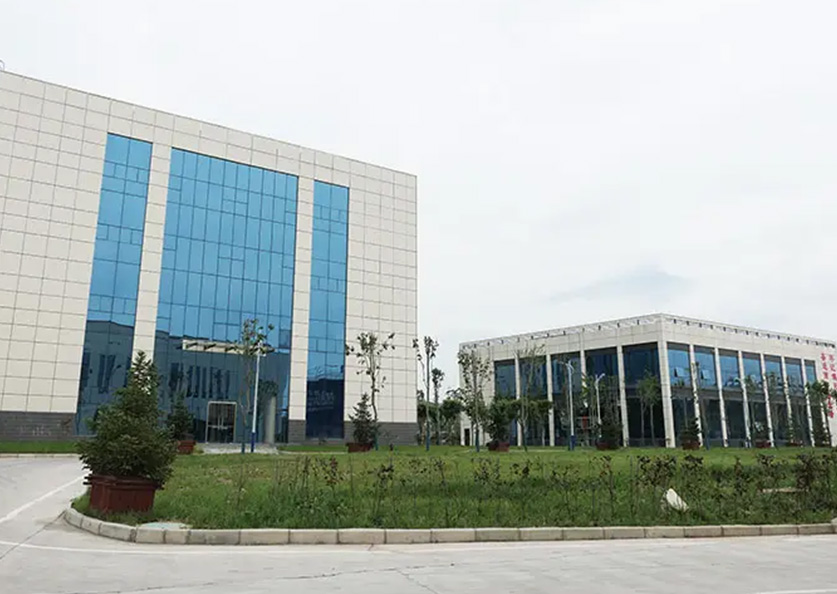
We Provide an Unmatched Level of Quality and Service
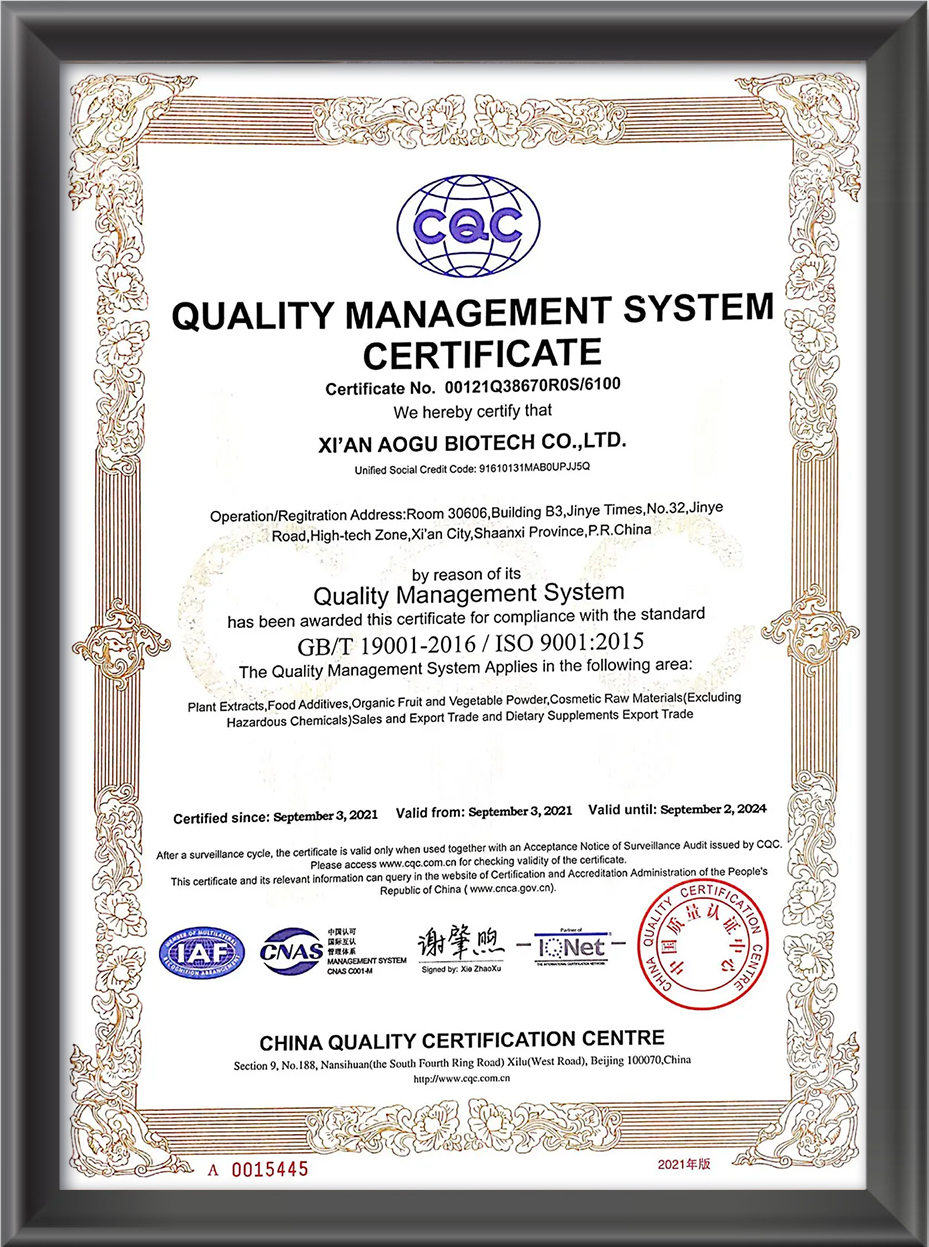
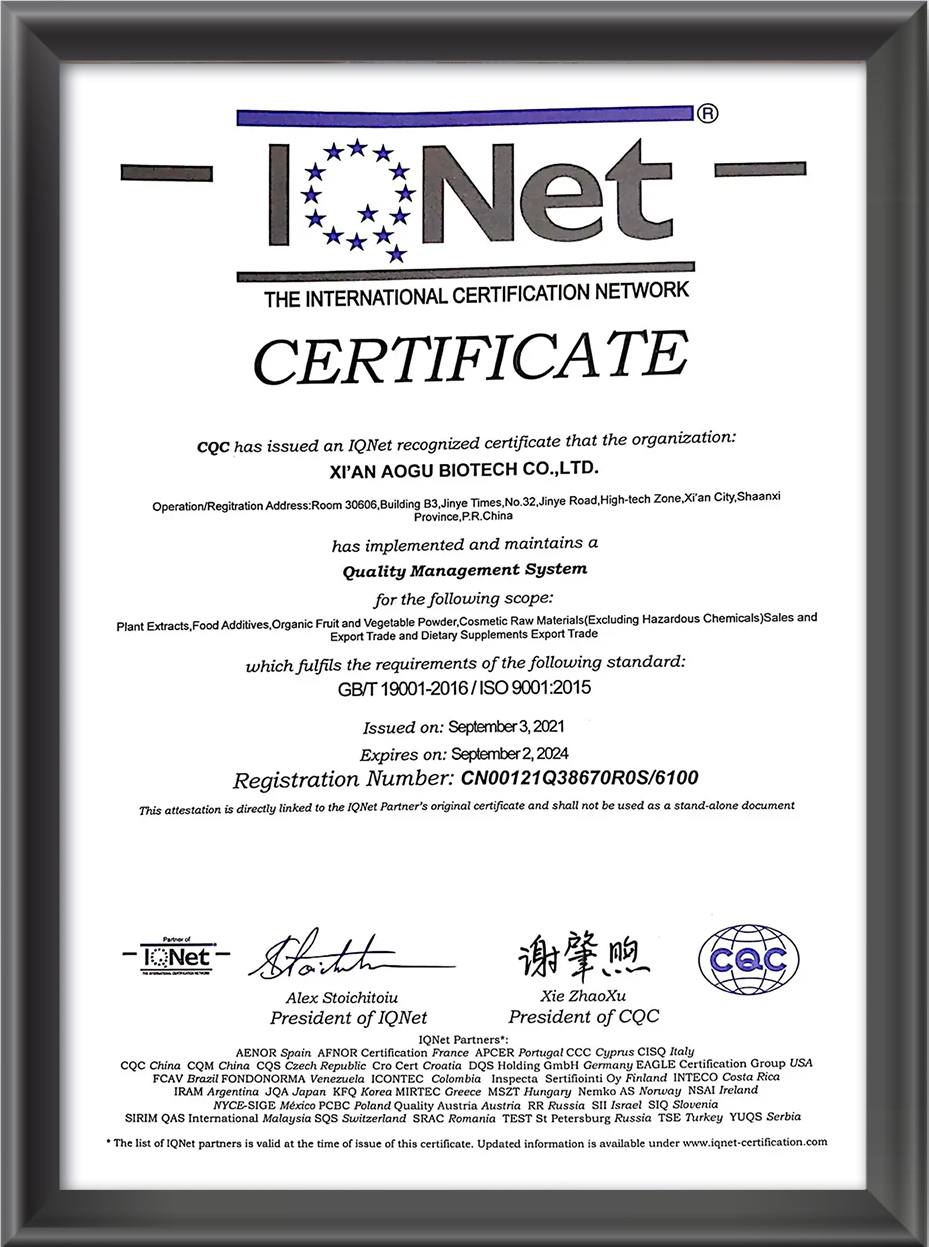
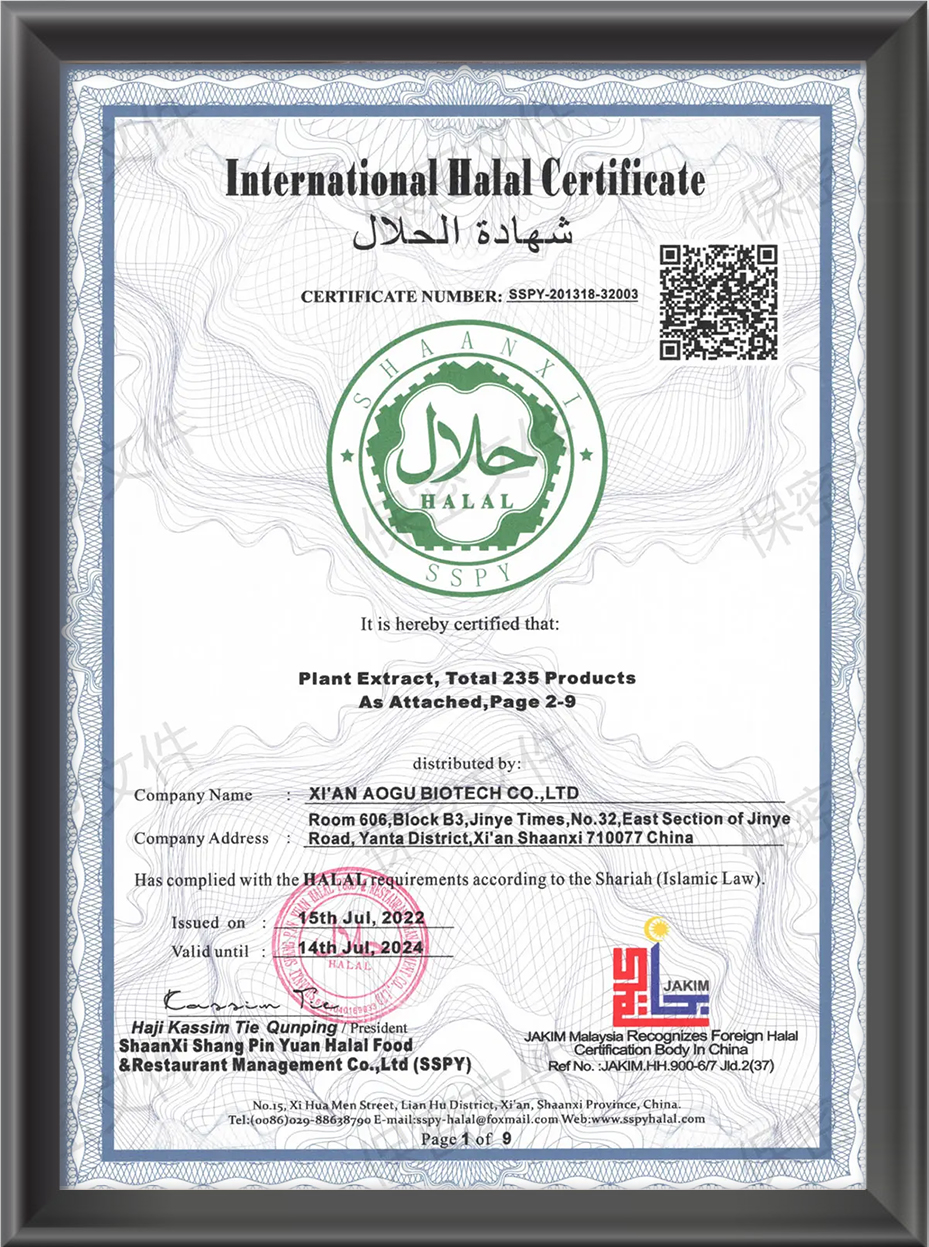
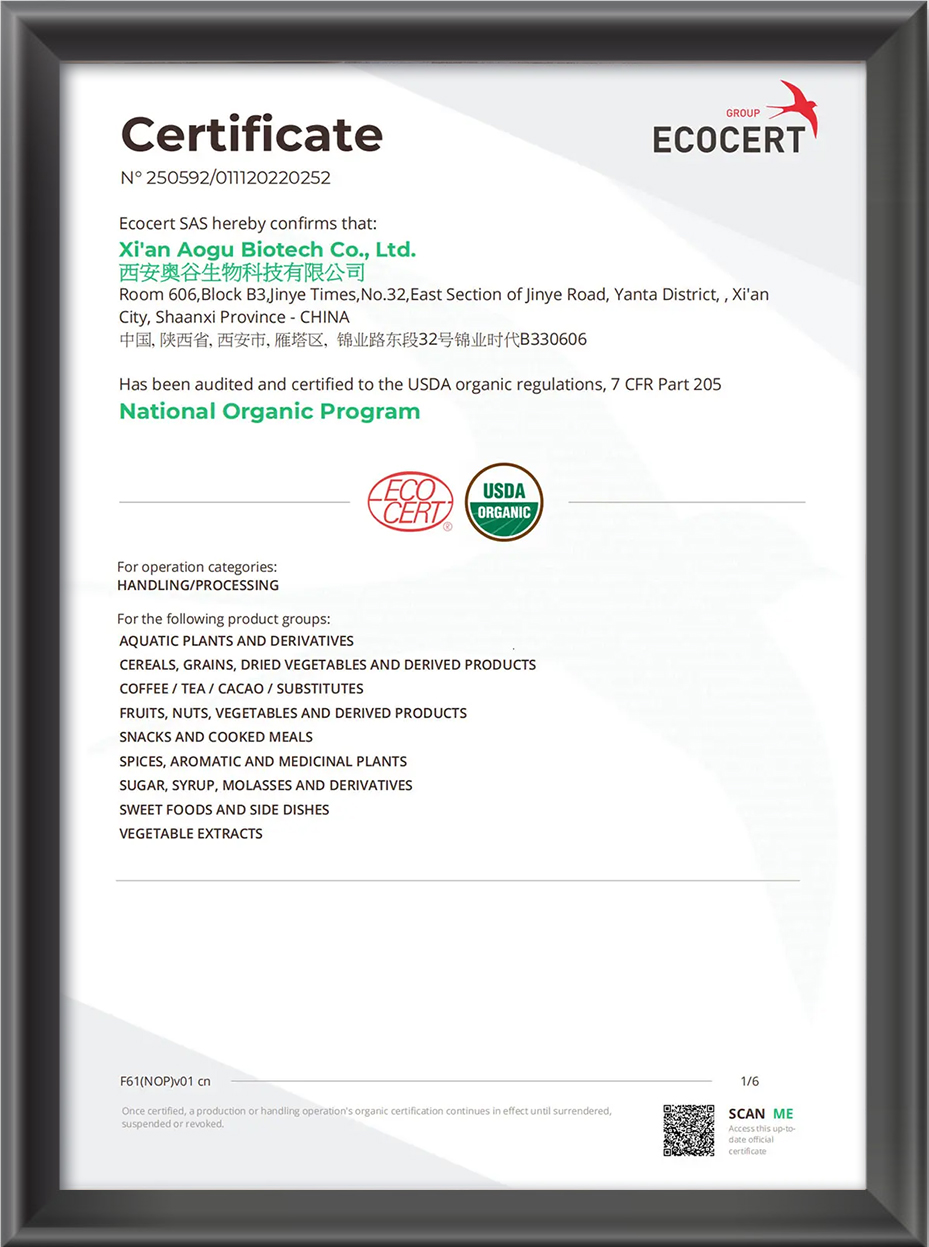
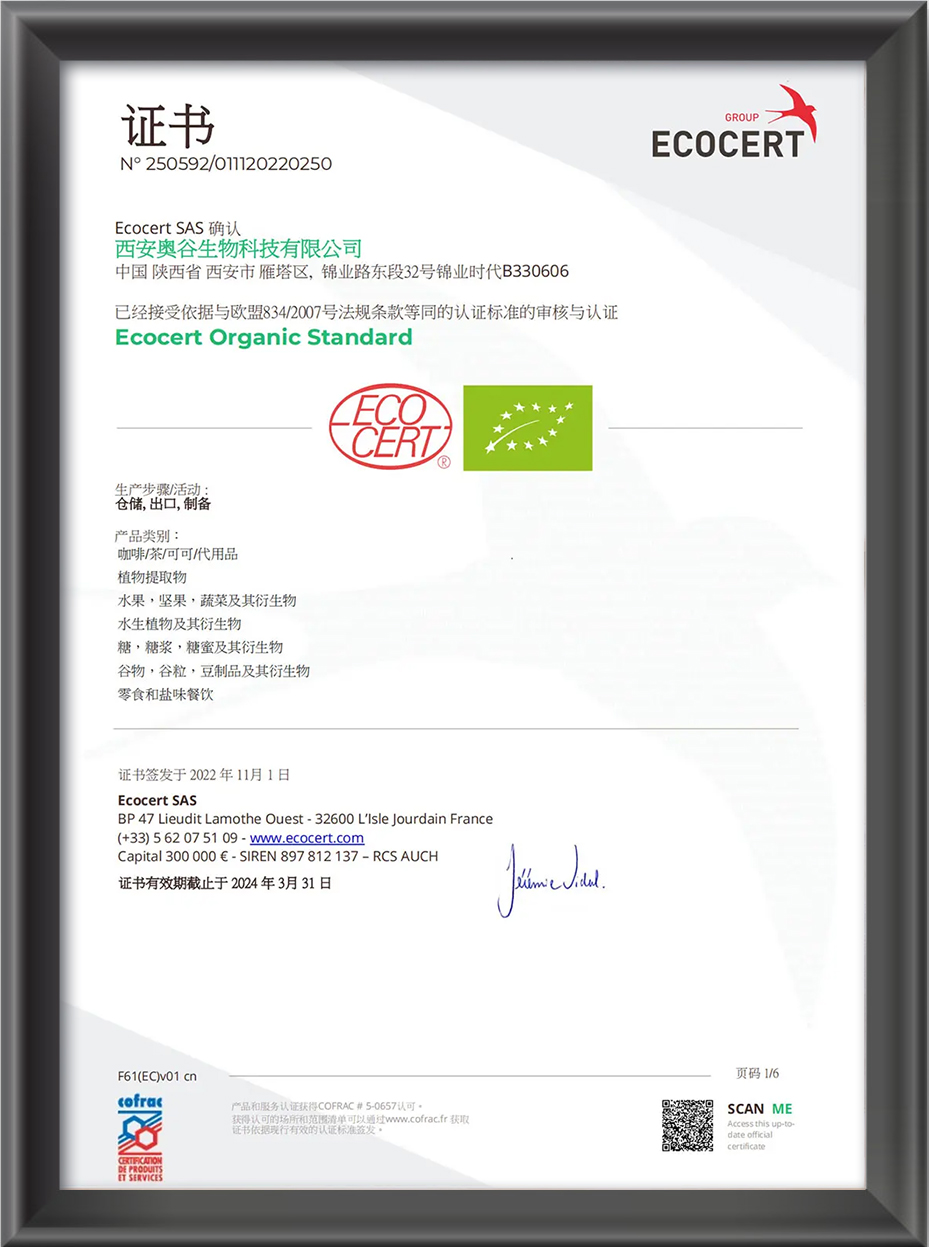
Get product samplesQualifications Honors
Our in-house lab uses advanced instruments like UPLC, HPLC, GC-MS, ICP-MS for quality control, ensuring raw materials meet strict international standards.
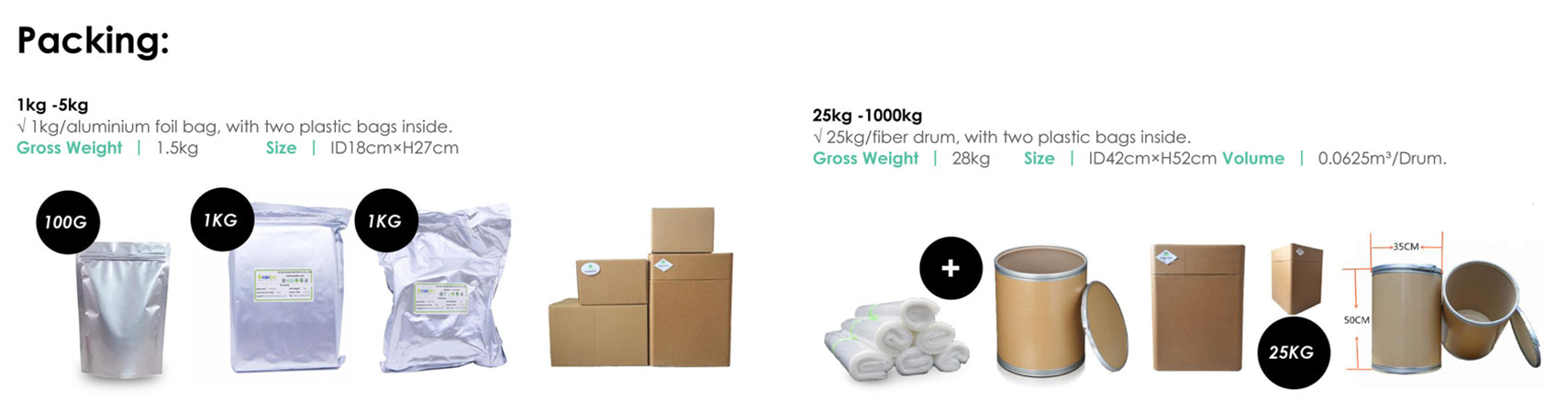
Packaging