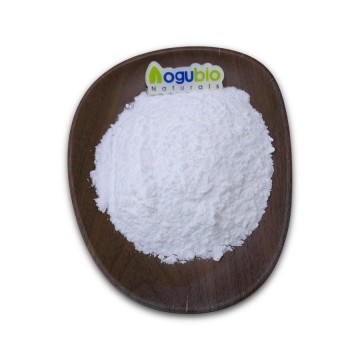
 Sodium Lauroyl Sarcosinate
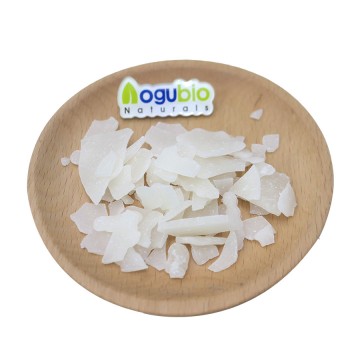 Natural Cosmetics With Lauryl Laurate
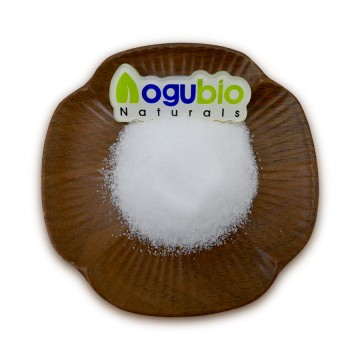 Sodium Citrate Multifunctional Cosmetic Ingredient Guide
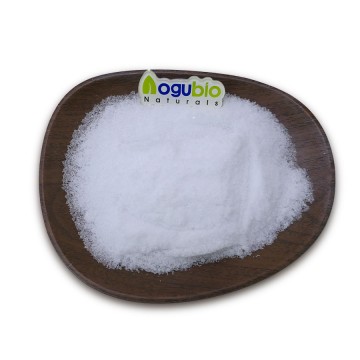 Preservative Sodium Propionate Cas 137-40-6
Sodium Lauryl Sulfate: Essential Insights for Cosmetic Active Ingredient Formulation and Blending
Sodium Lauryl Sulfate (SLS) is a widely used anionic surfactant and detergent known for its exceptional cleansing, emulsifying, and foaming properties. Its importance in cosmetic active ingredient formulation and blending cannot be overstated. From shampoos and body washes to facial cleansers and toothpastes, SLS provides the critical function of removing oils, dirt, and impurities while producing a rich lather that consumers associate with effective cleansing. This article will explore the current commercial and industrial landscape around SLS, its evolving role in cosmetic innovation, and deeper application scenarios shaping the future of personal care product development.
In cosmetic formulation, SLS serves not only to create foaming structures but as an effective solubilizing and emulsifying agent that can aid in blending diverse active ingredients uniformly. Beyond its role as a detergent, SLS helps stabilize emulsions, improve product texture, and enhance ingredient bioavailability, making it a multifunctional ingredient in the cosmetic chemist's toolkit.
Commercial and Industrial Landscape of Sodium Lauryl Sulfate
The global market for Sodium Lauryl Sulfate remains robust, driven by sustained demand in personal care, detergents, and industrial cleaning formulations. While it is well established, industry trends point to growing scrutiny over the environmental and dermatological profiles of surfactants like SLS. Manufacturers are innovating to enhance the purity and source sustainability of SLS, including bio-based production methods using renewable feedstocks.
Industrial production of SLS typically involves sulfonation of lauryl alcohol derived from coconut or palm kernel oil. This integration of natural oil feedstocks maintains a balance between petrochemical and renewable inputs. Advances in process optimization have improved yield and environmental footprint, allowing downstream cosmetic formulators to access higher quality, traceable SLS variants that comply with increasingly tight regulatory standards.
Demand growth is also shaped by emerging markets where urbanization and rising disposable income accelerate usage of personal care products. Meanwhile, innovation in mildness-enhanced SLS derivatives that reduce skin irritation potential opens new application avenues in sensitive-skin cosmetics, baby care, and therapeutic formulations.
Development Trends and Formulation Innovations
Recent R&D efforts focus on improving SLS's sustainability and biocompatibility without compromising its efficacy. This includes modifying the molecular structure to produce less harsh surfactants or combining SLS with complementary agents like cocamidopropyl betaine for synergistic cleansing effects with reduced irritation.
Another important trend is tailoring SLS formulations to meet zero-waste and “clean beauty” requirements. Cosmetic companies aim to employ SLS in waterless cosmetics or solid cleansing bars, leveraging its exceptional foaming and cleansing properties in minimal water-use systems. Additionally, fractionation technology facilitates isolation of specific SLS grades optimized for compatibility with organic or natural cosmetic certification standards.
Digital formulation platforms and AI-driven blending technologies are increasingly used to optimize ingredient ratios involving SLS and other active components, allowing faster formulation cycles and precise tuning of product performance.
Deeper Application Scenarios and Technological Synergies
While traditionally recognized for cleansing, Sodium Lauryl Sulfate increasingly features in sophisticated cosmetic actives systems. In formulation science, it acts as a penetration enhancer, facilitating the delivery of vitamins, antioxidants, or anti-aging ingredients past the skin’s outer barrier.
Its emulsifying power enables stable blends of hydrophilic and lipophilic actives, particularly in microemulsion or nanoemulsion delivery systems designed for superior skin feel and bioavailability. Formulators also use SLS to modulate rheology and foaming profiles, allowing custom texture and sensory experiences demanded by luxury skincare brands.
Emerging research investigates SLS’s role in skin microbiome balancing formulations by enabling gentle cleansing that preserves beneficial microbes. Through controlled blending with prebiotic or probiotic actives, SLS-containing formulations can improve skin resilience and health.
About Aogebio LLC
Founded in 2013 and headquartered in the prestigious high-tech zone of Xi'an, Xi'an Aoge Biotech Co., Ltd., along with its subsidiaries Xi'an Imaherb Biotech Co., Ltd. and Xi'an Nahanutri Biotech Co., Ltd., has established itself as a leading force in the cosmetics raw materials industry.
Our expansive cooperative factory, spanning 1,000 mu (approximately 165 acres), is equipped with state-of-the-art extraction technology. This advanced infrastructure allows us to manufacture a wide array of premium cosmetic raw materials. Our product line includes natural plant extracts specifically designed for organic cosmetics, as well as synthetic ingredients for high-end skincare formulations. These raw materials serve as the foundation for a multitude of skincare, haircare, and makeup products, ensuring superior quality and efficacy throughout the entire production process.
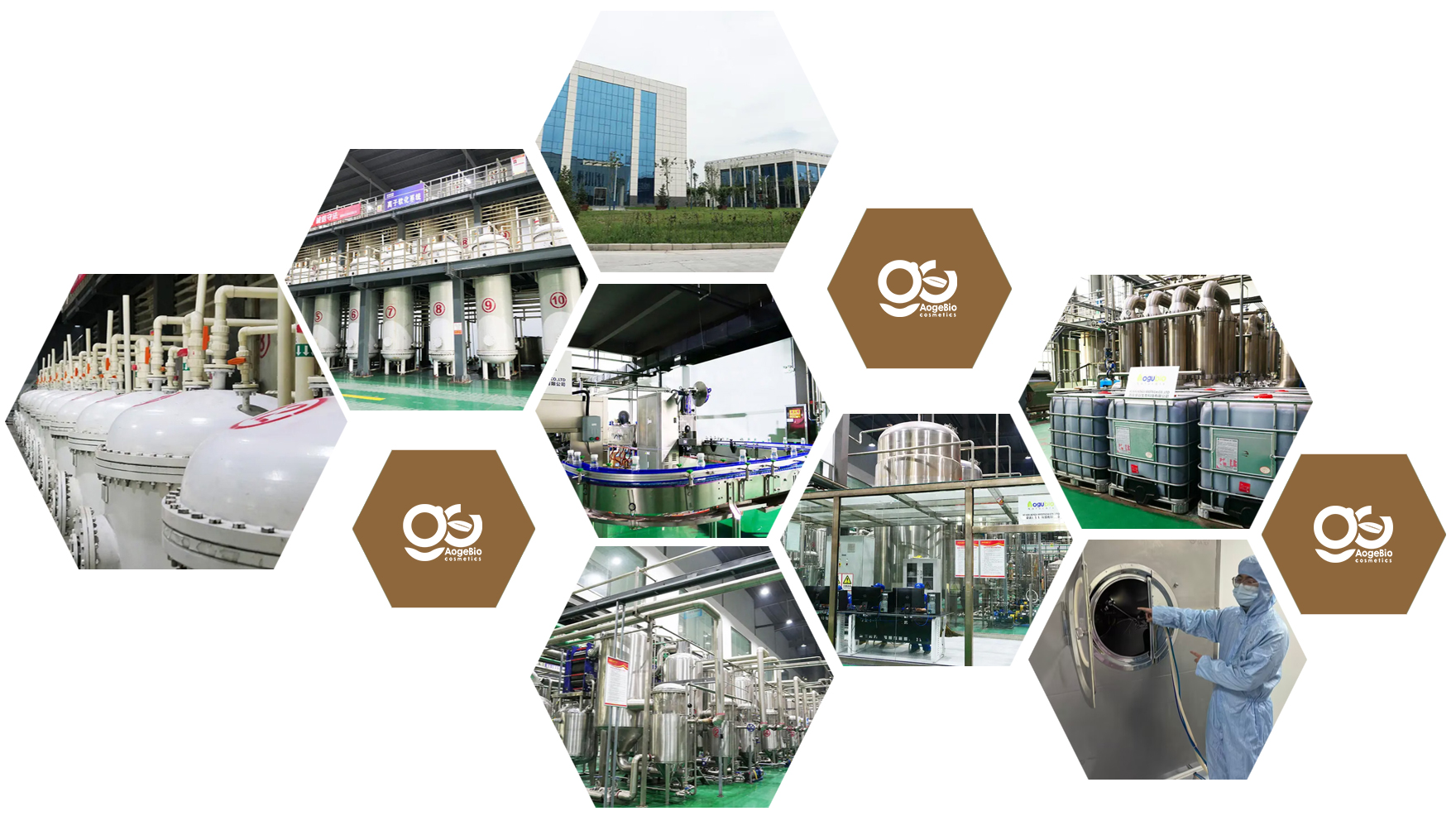
Our Advanced Equipment
Our in-house laboratory is equipped with cutting-edge instruments for rigorous quality control. We utilize UPLC and HPLC for analyzing active components, GC and GC-MS for detecting solvent residues, ICP-MS for identifying heavy metals, and GC/LC-MS-MS for assessing pesticide residues. Additionally, we employ HPTLC and IR for identification purposes, ELISA for determining ORAC values, PSL for evaluating irradiation residues, and conduct comprehensive microbiology tests. These measures guarantee that our raw materials adhere to stringent international standards.
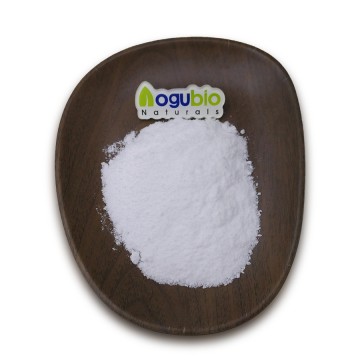 Sodium coco sulfate powder
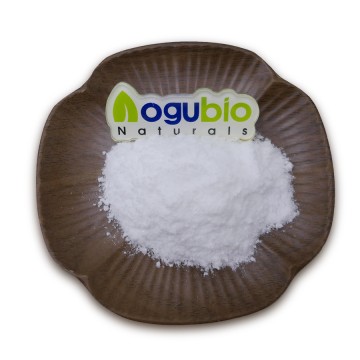 Sodium lauryl sulfoacetate SLSA
 Sodium Methyl Cocoyl Taurate
 Sodium Cocoyl Glutamate liquid